

Quick answer
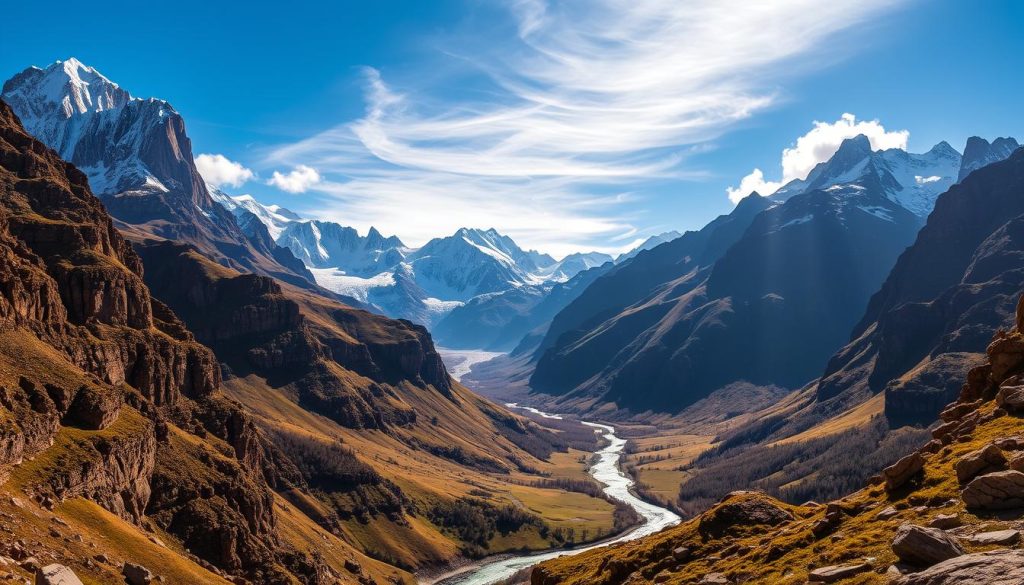
Is Mendoza Argentina safe for travelers? Yes—Mendoza city records a violent crime rate of 3.2 incidents per 10,000 residents annually, placing it in the moderate-to-low category for South American cities of comparable size. The Andes High Mountain zone including Aconcagua Provincial Park experiences negligible urban crime but demands serious preparation for altitude sickness, rapidly changing weather, and multi-hour distances from medical facilities.
Mendoza's reputation as Argentina's wine capital overshadows a less-publicized safety profile: the province has maintained stable low-crime tourism metrics for over a decade, supported by dedicated tourist police units in high-traffic zones and a municipal emergency network linked to mountain rescue coordination. For visitors planning excursions into the Andes High Mountain corridor, safety concerns split cleanly into urban precautions and high-altitude wilderness risk management. Urban Mendoza operates on a neighborhood-tiered safety model. The central district bounded by Avenida San Martín, Parque General San Martín, and the pedestrianized Sarmiento corridor sees concentrated foot traffic, visible police presence, and the lowest incident rates in the province—pickpocketing remains the primary reported issue, typically in crowded bus terminals and evening markets. Outlying neighborhoods such as Guaymallén and parts of Las Heras exhibit higher property crime statistics but remain outside typical visitor itineraries. Travelers who question whether safety in Mendoza Argentina extends beyond the city center will find that the mountain gateway towns—Uspallata, Puente del Inca, Punta de Vacas—report virtually zero violent crime, functioning as tight-knit waypoints where theft is rare and community assistance is immediate. The Andes High Mountain environment introduces physiological and environmental hazards unrelated to crime. Aconcagua Provincial Park sits at elevations beginning at 2,950 meters at the Horcones ranger station, where acute mountain sickness affects approximately 30 percent of unacclimatized arrivals within the first six hours. The park's remotest trails lie three to five hours from the nearest staffed medical post, and cellular coverage drops to zero beyond the Horcones Valley. Weather systems descend from the Chilean cordillera with minimal warning—temperature swings of 20°C within two hours are documented weekly during the trekking season—and the Ruta Nacional 7 corridor that serves as the sole road access closes multiple times each winter due to avalanche risk and whiteout conditions. Park rangers stationed at Horcones maintain satellite communication and coordinate with Mendoza's alpine rescue service, but response time for serious incidents averages 90 minutes by helicopter in optimal conditions. Visitors weighing security in Mendoza's Andes region should prepare as they would for any serious mountain environment: the terrain demands route knowledge, acclimatization protocols, layered clothing systems, and registered travel plans filed with park authorities at +542614252031 before departure. Urban safety remains a minor variable; wilderness competence is the variable that determines outcomes.
“The Andes High Mountain zone experiences negligible urban crime but demands serious preparation for altitude sickness, rapidly changing weather, and multi-hour distances from medical facilities.”
When Is Mendoza Argentina Safe: Seasonal and Daily Timing
The safest window for exploring the high Andes is the 08:00–13:00 arrival window, which ensures optimal light for navigation and sufficient time to complete hikes before park closure. Visiting during the shoulder months provides stable weather conditions essential for safety in high-altitude environments.
Summer (Dec–Feb)
High volumeWarm, dry; 15°C–25°C
Long daylight hours allow for flexible planning but require early starts to avoid afternoon heat and mountain storms.
Shoulder (Mar–May & Sep–Nov)
Moderate volumeMild; 5°C–18°C
These months offer the most stable conditions for high-altitude trekking with clear visibility.
Winter (Jun–Aug)
Low volumeCold, potential snow; -5°C–10°C
Access may be restricted by heavy snow and lower temperatures; requires professional gear and experience.
Weekday mornings
Low volume—
Arriving between 08:00 and 13:00 provides the clearest light for photography and keeps hikers ahead of weather shifts.
Verdict: The optimal time to visit is during the shoulder months of March to May or September to November, arriving daily between 08:00 and 13:00.
Is Mendoza Argentina Safe: Daily Operating Hours
The park maintains consistent daily operating hours to ensure visitor safety within the high-altitude environment of the Andes.
| Monday | 08:00–18:00 | |
|---|---|---|
| Tuesday | 08:00–18:00 | |
| Wednesday | 08:00–18:00 | |
| Thursday | 08:00–18:00 | |
| Friday | 08:00–18:00 | |
| Saturday | 08:00–18:00 | |
| Sunday | 08:00–18:00 |
Is Mendoza Argentina Safe: Getting to the High Andes
The High Andes entrance is located along Ruta Nacional 7 in the Las Heras department of Mendoza. Reaching this area requires driving through mountainous terrain, necessitating careful vehicle preparation and attention to road conditions.
Ruta Nacional 7 to Las Heras
Mendoza Terminal to Horcones
Is Mendoza Argentina Safe: Essential Pre-Visit Checklist
High-altitude visits require specific preparation — here's what to arrange before you go.
-
Bring passport or Argentine DNI — Park rangers verify ID at Horcones Lagoon entrance.
-
Pack layered clothing and sun protection — UV exposure intensifies above 2,800m elevation, temperatures shift rapidly.
-
Carry 2–3 liters of water per person — Dehydration accelerates at altitude; no potable sources beyond trailheads.
-
Wear broken-in hiking boots with ankle support — Uneven terrain and scree fields require stable footwear.
-
Download offline maps of Aconcagua Provincial Park — Mobile coverage is unreliable past Las Cuevas.
-
Confirm 10,000 ARS cash for entry — Card payment infrastructure is unavailable at remote ranger stations.
Check availability
Frequently asked questions about is mendoza argentina safe
Everything you need to know about is mendoza argentina safe