

Quick answer
An andes day trip from mendoza to Aconcagua Provincial Park requires approximately three to four hours of driving each way along National Route 7. The park is open daily from 08:00 to 18:00, year-round. Entrance to the Horcones Lagoon area costs 10,000 ARS per person, subject to seasonal adjustment. Arrive between 08:00 and 12:00 for optimal visibility and photographic conditions before afternoon weather moves in.
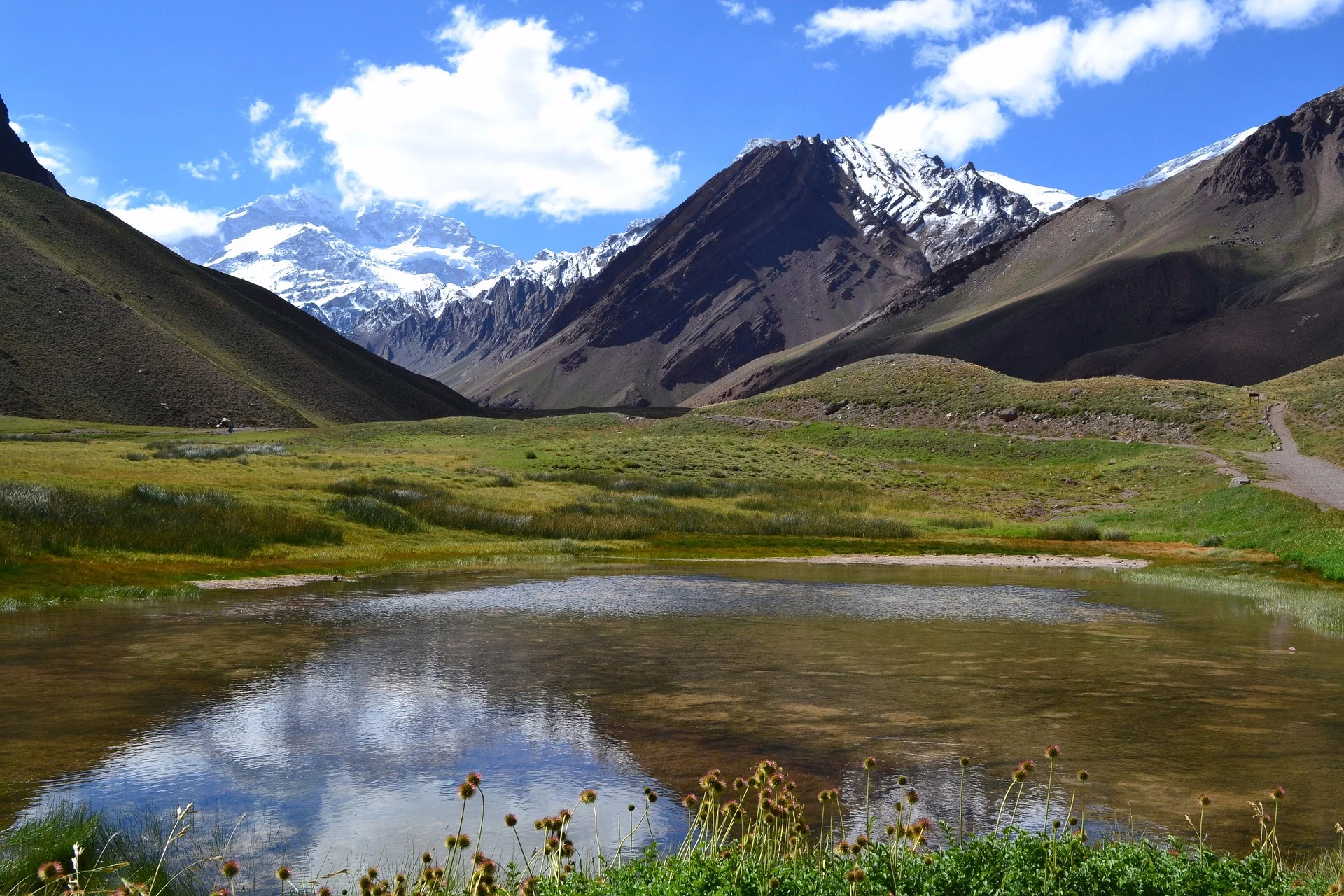
Aconcagua rises to 6,961 meters above sea level, yet most visitors never set foot on the mountain itself. Instead, they walk the three-kilometer trail to Horcones Lagoon, a glacial meltwater basin that delivers unobstructed sightlines to the south face without technical climbing or acclimatization protocols. The distinction matters: summit expeditions demand permits, guides, and weeks of preparation, while the lagoon trail is open to any visitor willing to navigate unpaved terrain at 2,950 meters of elevation. The drive from Mendoza follows the same route that crosses into Chile through the Cristo Redentor tunnel. After passing through Uspallata, the landscape transitions from vineyard piedmont to high desert, with Argentine customs posts and roadside memorials marking the final stretch before the park entrance. Route 7 remains paved and passable year-round, though winter snow can close side roads and delay traffic at the border crossing just beyond the park. Most visitors allocate six to eight hours for the full circuit: three hours outbound, two to three hours at the lagoon trailhead, and three hours returning to Mendoza. The trail itself is a straightforward walk across alluvial plains and moraine ridges, gaining minimal elevation but exposed to wind and sun. Weather at altitude shifts rapidly; mornings typically offer stable conditions, while afternoon cloud build-up can obscure the summit and reduce visibility to a few hundred meters. The lagoon often holds ice into late spring, and the trail crosses several seasonal streams fed by glacial melt. Park infrastructure is minimal by design. No food service or lodging exists within the boundaries, and cellular coverage disappears beyond Uspallata. The ranger station at Horcones serves as the primary orientation point, issuing entry permits and providing trail condition updates. Visitors planning an andes day trip from mendoza should carry sufficient water, sun protection, and layered clothing, as temperatures can swing twenty degrees between morning departure and midday exposure on the trail. The return drive often coincides with late-afternoon traffic from the Chilean border, adding unpredictability to arrival times back in the city.
“The lagoon trail delivers unobstructed sightlines to Aconcagua's south face without technical climbing or weeks of acclimatization.”
The Optimal Time for an Andes Day Trip From Mendoza
The best arrival window for an Andes day trip is between 08:00 and 12:00. Arriving during these hours ensures clearer mountain views and superior light conditions before afternoon cloud cover develops.
Summer (Dec–Feb)
High; popular with vacationersWarm days, cool nights; 15°C–28°C
Clear skies are common but mountain weather remains unpredictable. Expect larger groups at popular viewpoints.
Autumn (Mar–May)
Moderate; quieter mid-weekMild, stable conditions; 10°C–22°C
This period offers excellent visibility and cooler temperatures for walking. March and April are frequently dry.
Winter (Jun–Aug)
Low; limited accessCold with snow; -2°C–10°C
High mountain passes may experience closures due to heavy snowfall. Visitors should monitor regional road reports.
Spring (Sep–Nov)
Moderate; increasing activityVariable; 8°C–20°C
Weather begins to stabilize, making this a practical time for mountain photography. High winds can occasionally occur.
Verdict: The optimal time to visit is during the shoulder seasons of April or October, specifically arriving between 08:00 and 12:00 to maximize visibility.
Opening Hours for Your Andes Day Trip From Mendoza
Aconcagua Provincial Park maintains consistent operating hours throughout the week to facilitate visitor access to the High Mountain region.
| Monday | 08:00–18:00 | |
|---|---|---|
| Tuesday | 08:00–18:00 | |
| Wednesday | 08:00–18:00 | |
| Thursday | 08:00–18:00 | |
| Friday | 08:00–18:00 | |
| Saturday | 08:00–18:00 | |
| Sunday | 08:00–18:00 |
How to Navigate Your Andes Day Trip From Mendoza
Aconcagua Provincial Park is located along National Route 7, which serves as the primary corridor connecting Mendoza to the high Andes. Most visitors reach the park by traveling west from the city center via this well-maintained mountain highway.
National Route 7 toward Uspallata
Mendoza Bus Station to Puente del Inca
Private transfer via National Route 7
Essential Checklist for an Andes Day Trip From Mendoza
The high-altitude environment and remote location require specific preparation beyond typical day trips.
-
Book your guided tour in advance — Independent access to higher viewpoints requires permits and experience.
-
Bring layers and a windproof jacket — Temperature drops significantly with altitude, even in summer.
-
Pack sunscreen and sunglasses — UV exposure intensifies above 2,500 meters with strong reflection.
-
Carry water and high-energy snacks — Limited services beyond the park entrance; altitude increases dehydration.
-
Check your travel insurance covers altitude — Standard policies may exclude mountain environments above 3,000 meters.
-
Acclimatize in Mendoza for a day first — Rapid ascent from 750m to 2,950m can trigger altitude symptoms.
-
Have your passport or ID ready — Required for park registration at the entrance gate.
Combined Sights for an Andes Day Trip From Mendoza
A trip along National Route 7 offers several geographic and historical points of interest that align with the journey to Aconcagua Provincial Park. Integrating these stops allows for a paced exploration of the High Andes landscape.
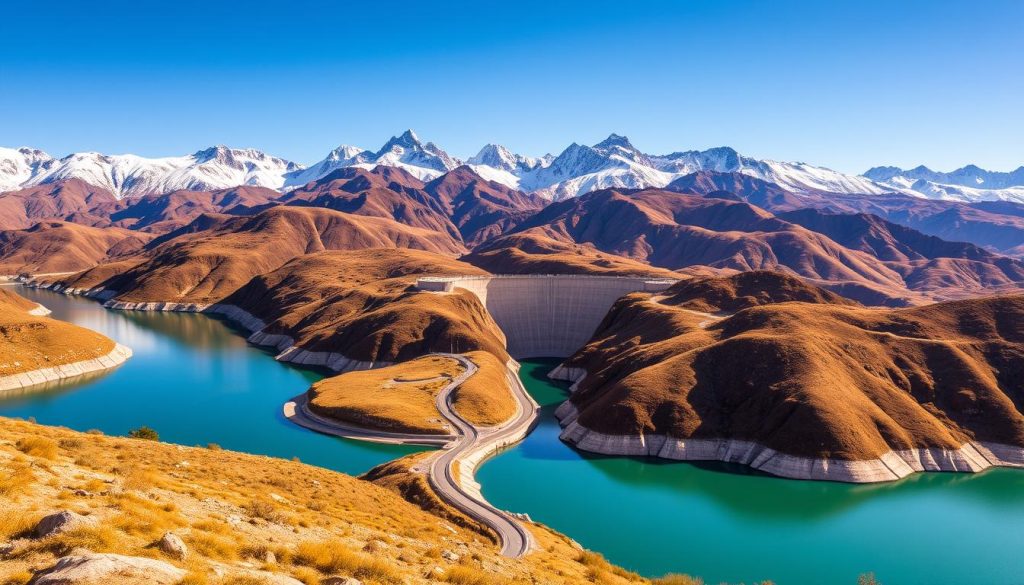
Potrerillos Dam
A large reservoir that provides a transition from the desert foothills to the mountain range, offering views of the water against the Andean peaks.
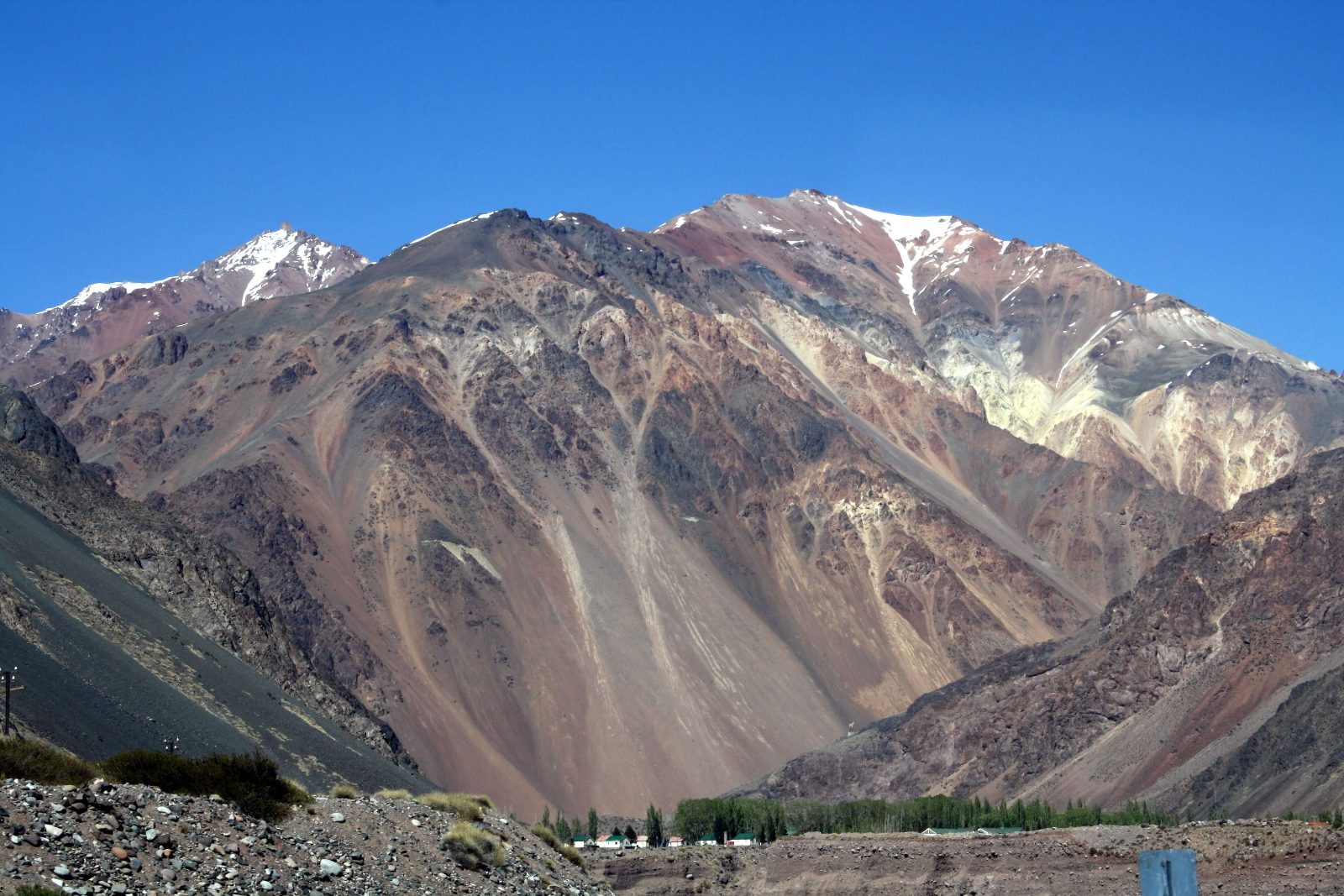
Uspallata
This historic valley serves as a common waypoint for refueling and acclimatization before ascending to higher altitudes.
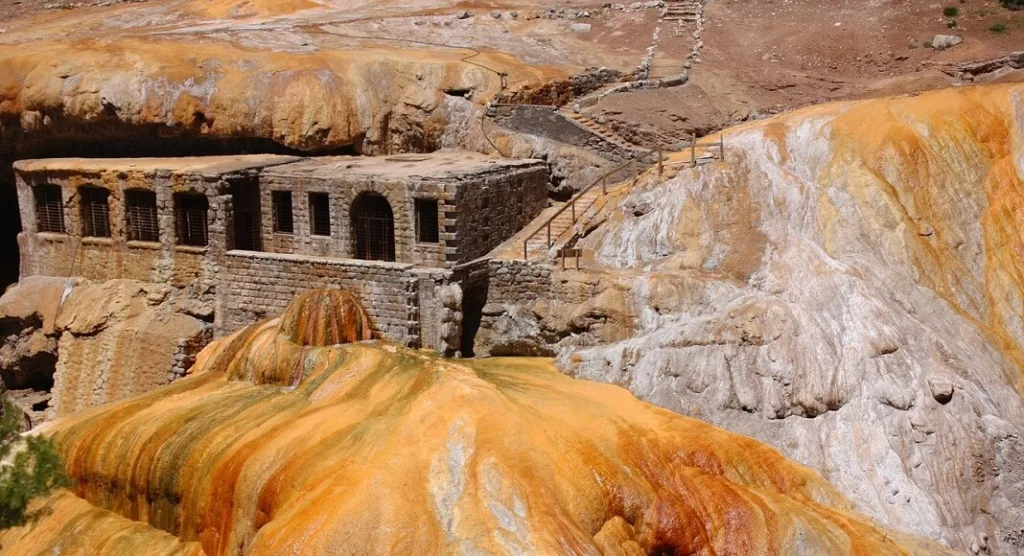
Puente del Inca
A natural rock formation featuring mineral-rich thermal springs and historic ruins that showcase the geological character of the region.
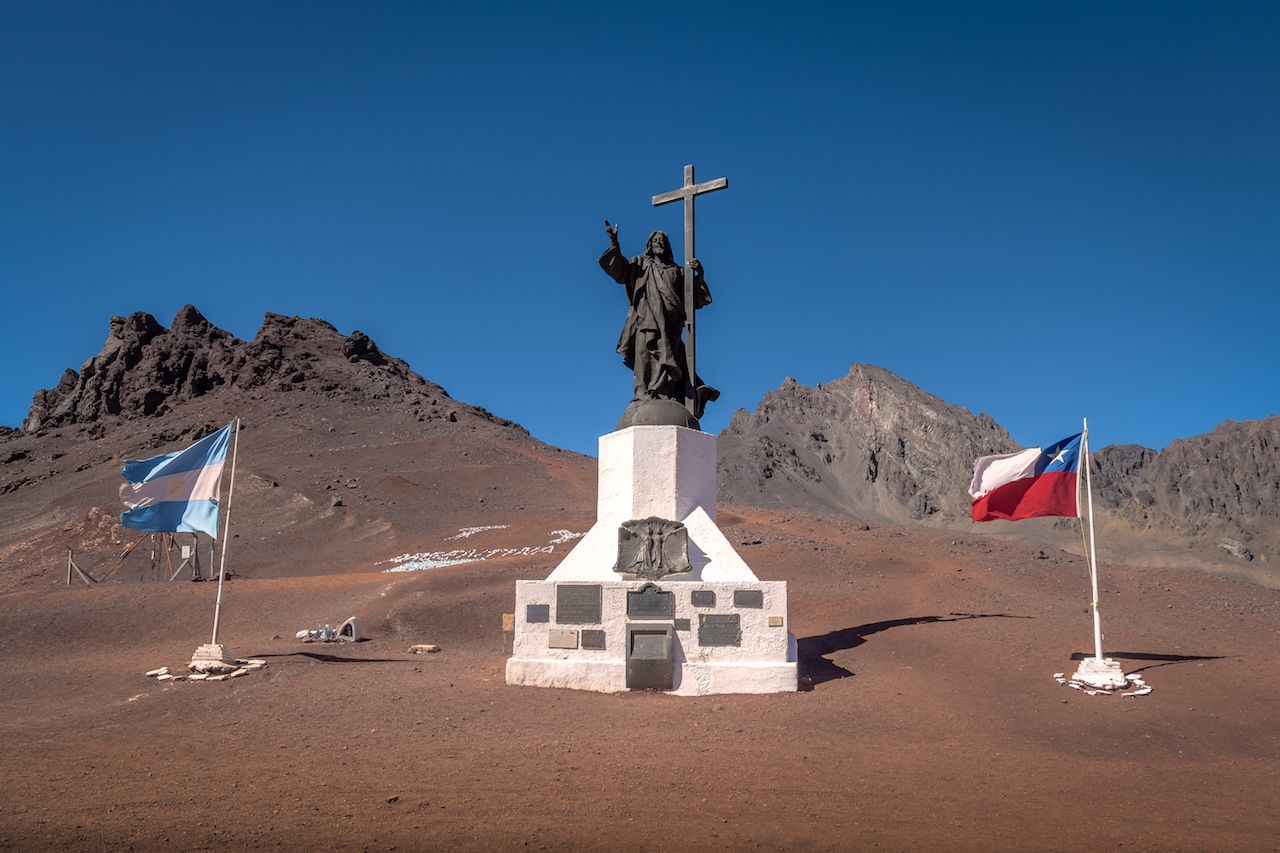
Cristo Redentor Pass
Located near the border with Chile, this site offers historical context regarding the passage through the Andes at a high elevation.
Check availability
Frequently asked questions about andes day trip from mendoza
Everything you need to know about andes day trip from mendoza